Now Reading:

Vitamin K1 Injection Shot – AquaMEPHYTON,

Font Selector
Sans Serif
Serif
Font Size
A
A
You can change the font size of the content.
Share Page
December 24, 2025
Created by herblia

Vitamin K1 Injection Shot – AquaMEPHYTON,

Read our article on Delayed Cord Clamping & the Vitamin K Shot to understand why newborns do not naturally receive significant Vitamin K at birth....

Read our article on Delayed Cord Clamping & the Vitamin K Shot to understand why newborns do not naturally receive significant Vitamin K at birth.

Drug Information: PHYTONADIONE (AquaMEPHYTON)
Vitamin K Replacement / Coagulation Factor Precursor

PHYTONADIONE#

Brand Name: AquaMEPHYTON® (Merck), Vitamin K1 Injection (Pfizer/Hospira) Generic Name: Phytonadione (Vitamin K1) Class: Fat-Soluble Vitamin, Antihemorrhagic Agent Route: Subcutaneous (Preferred), Intramuscular, Intravenous (High Risk)
C₃₁H₄₆O₂
💉

Phytonadione (Vitamin K₁) is a synthetic, fat-soluble vitamin administered to newborns within hours of birth and used in adults to reverse anticoagulant effects—most commonly those caused by vitamin K antagonists such as warfarin—or to treat vitamin K deficiency. While presented as essential for blood clotting factor production, the injection contains benzyl alcohol preservative (9 mg/mL in multidose formulations), a known neurotoxin associated with “gasping syndrome” and fatal reactions in neonates. The FDA mandates a BLACK BOX WARNING for severe hypersensitivity reactions including anaphylaxis and death following intravenous and intramuscular administration. Despite being given to virtually all newborns, vitamin K deficiency bleeding is extremely rare (1.7 per 100,000 births), and the injection bypasses natural oral vitamin K absorption, delivering supraphysiologic doses with toxic preservatives directly into tissue and bloodstream of hours-old infants with immature detoxification systems.

01 / MECHANISM

Mechanism of Action#

Phytonadione functions as a cofactor for the hepatic microsomal enzyme gamma-glutamyl carboxylase, which catalyzes the post-translational carboxylation of specific glutamic acid residues on inactive precursor proteins of vitamin K-dependent clotting factors II (prothrombin), VII (proconvertin), IX (plasma thromboplastin component), and X (Stuart factor). This carboxylation produces gamma-carboxyglutamic acid (Gla) residues that enable calcium binding, which is essential for the clotting factors to interact with phospholipid surfaces during the coagulation cascade. Without adequate vitamin K, these factors remain as undercarboxylated precursors (PIVKAs – Proteins Induced by Vitamin K Absence or Antagonism) that cannot participate in hemostasis. Phytonadione also serves as cofactor for carboxylation of proteins C, S, and Z (anticoagulant proteins) and bone proteins osteocalcin and matrix Gla protein. The vitamin undergoes a redox cycle in the endoplasmic reticulum where it is converted to vitamin K epoxide during the carboxylation reaction, then reduced back to the active hydroquinone form by vitamin K epoxide reductase (VKORC1 enzyme). Warfarin and other coumarin anticoagulants inhibit this reductase, causing functional vitamin K deficiency even with adequate intake.
01.2 / EFFECTS

What the Mechanism Affects#

While phytonadione injection is promoted for preventing rare vitamin K deficiency bleeding (VKDB) in newborns, the intervention presents significant concerns. Natural vitamin K transfer occurs via breastfeeding and intestinal bacterial synthesis develops within days, yet prophylactic injection administers a massive supraphysiologic dose (0.5-1 mg to a 3-4 kg infant = equivalent to 12.5-25 mg in 70 kg adult) within the first hour of life. The injection contains benzyl alcohol preservative (9 mg/mL), a known neurotoxin that can cause “gasping syndrome” in neonates—progressive central nervous system depression, metabolic acidosis, gasping respirations, seizures, intracranial hemorrhage, cardiovascular collapse, and death. Premature and low birth weight infants are at highest risk due to immature hepatic and renal detoxification systems unable to conjugate and eliminate benzyl alcohol and its toxic metabolite benzoic acid. The FDA requires a BLACK BOX WARNING for severe and fatal hypersensitivity reactions including anaphylaxis occurring even with first doses. The formulation also contains polyoxyethylated fatty acid derivatives (70 mg/mL), which have been implicated as the causative agent in anaphylactoid reactions, including shock, cardiac arrest, and death. The injection contains aluminum, which accumulates in tissues with prolonged administration and reaches toxic levels in patients with immature or impaired kidney function. Aluminum accumulation at levels greater than 4-5 mcg/kg/day is associated with CNS toxicity and bone toxicity in premature neonates. Newborns have immature kidneys and are particularly vulnerable to aluminum toxicity.

Oral vitamin K formulations avoid these preservatives and synthetic excipients. The hepatic carboxylation system in newborns is immature and may be overwhelmed by excessive synthetic vitamin K, potentially causing oxidative stress. Some research suggests associations between intramuscular vitamin K injection and childhood cancer (particularly leukemia), though this remains controversial and disputed by conventional medicine. The injection creates an artificial bolus that does not mimic natural vitamin K kinetics from breast milk or dietary sources, bypassing normal intestinal absorption and first-pass metabolism. The massive pharmacological dose given at birth—up to 20,000 times the daily requirement—overwhelms the newborn’s immature liver and detoxification systems. Vitamin K is fat-soluble and accumulates in tissues; excessive doses theoretically could saturate storage capacity and cause unknown long-term effects on vitamin K-dependent proteins beyond clotting factors, including effects on bone matrix proteins and arterial calcification proteins. The practice of universal prophylaxis treats all newborns as deficient when true VKDB affects only 1.7 per 100,000 births (0.0017%), representing a population-wide medical intervention for an exceedingly rare condition. Delayed cord clamping (allowing 1-3 minutes of placental transfusion) provides the newborn with additional maternal clotting factors supplying pre-activated or non-vitamin K-dependent clotting elements and reduces VKDB risk naturally, but this practice is often not implemented when immediate vitamin K injection is protocol.
02 / BRANDS

Brand Names#

AquaMEPHYTON®
Vitamin K1 Injection
Phytonadione Injectable Emulsion
Mephyton (oral)
Konakion (international)
03 / INDICATIONS

Prescribed For#

  • Anticoagulant-Induced Hypoprothrombinemia: Correction of excessive INR prolongation caused by warfarin, coumarin, or indanedione derivatives in adults requiring urgent reversal for bleeding or emergency surgery.
  • Vitamin K Deficiency Bleeding (VKDB) Prophylaxis in Newborns: Universal intramuscular injection (0.5-1 mg) within 1 hour of birth to prevent rare early (0-24 hours), classical (1-7 days), and late (2-12 weeks) VKDB. Incidence without prophylaxis: 1.7 per 100,000 births.
  • Treatment of Vitamin K Deficiency Bleeding in Neonates: Treatment dose of 1 mg subcutaneous or intramuscular for active bleeding in newborns. Higher doses if mother received anticoagulants during pregnancy.
  • Hypoprothrombinemia Due to Malabsorption: In adults with obstructive jaundice, biliary fistula, celiac disease, ulcerative colitis, sprue, cystic fibrosis, regional enteritis, short bowel syndrome, or prolonged parenteral nutrition without vitamin K supplementation.
  • Drug-Induced Vitamin K Deficiency: From antibiotics that suppress intestinal vitamin K-producing bacteria (especially cephalosporins, broad-spectrum penicillins), chronic salicylate use, or other drugs interfering with vitamin K metabolism.
⚠ BLACK BOX WARNING – FDA MANDATED
04 / WARNINGS

Contraindications & Black Box Warning#

⚠ BLACK BOX WARNING: SEVERE AND FATAL HYPERSENSITIVITY REACTIONS
BLACK BOX WARNING

Severe reactions, including fatalities, have occurred during and immediately after INTRAVENOUS injection of AquaMEPHYTON* (Phytonadione), even when precautions have been taken to dilute the AquaMEPHYTON and to avoid rapid infusion. Severe reactions, including fatalities, have also been reported following INTRAMUSCULAR administration. Typically these severe reactions have resembled hypersensitivity or anaphylaxis, including shock and cardiac and/or respiratory arrest. Some patients have exhibited these severe reactions on receiving AquaMEPHYTON for the first time.
Therefore, the INTRAVENOUS and INTRAMUSCULAR routes should be restricted to situations where the subcutaneous route is not feasible and the serious risk involved is considered justified. When intravenous administration is unavoidable, inject very slowly, not exceeding 1 mg per minute. The subcutaneous route is preferred whenever possible.

Fatal hypersensitivity reactions, including anaphylaxis, have occurred during and immediately after INTRAVENOUS and INTRAMUSCULAR injection of phytonadione. Severe reactions have occurred despite dilution to avoid rapid infusion and have been reported with first doses. These reactions have included shock, cardiorespiratory arrest, flushing, diaphoresis, chest pain, tachycardia, cyanosis, weakness, and dyspnea.

Severe reactions have also been reported following INTRAMUSCULAR administration, the route commonly used for newborn prophylaxis. Some patients have exhibited severe reactions upon receiving phytonadione for the first time.

Absolute Contraindications & Critical Warnings

Hypersensitivity to Phytonadione or Components
Contraindicated in patients with known hypersensitivity to phytonadione, benzyl alcohol, polyoxyethylated fatty acid derivatives, or any other component. Previous anaphylactic reaction is absolute contraindication. Risk exists even with first-time administration.
⚠ Benzyl Alcohol Toxicity in Neonates
CRITICAL: Serious and fatal adverse reactions including “gasping syndrome” have occurred in neonates and infants treated with benzyl alcohol-preserved drugs. AquaMEPHYTON contains 9 mg/mL (0.9%) benzyl alcohol. Gasping syndrome characterized by CNS depression, metabolic acidosis, gasping respirations, seizures, intracranial hemorrhage, hematologic abnormalities, hypotension, bradycardia, cardiovascular collapse, and death. Benzyl alcohol dosages of 99-234 mg/kg/day have produced toxic blood levels. Premature and low birth weight infants are at highest risk due to immature metabolism. FDA recommends benzyl alcohol-free formulations for neonates when available.
Hemolysis and Hyperbilirubinemia in Newborns
Hemolysis, jaundice, and hyperbilirubinemia in newborns, particularly premature infants, have been related to phytonadione dose. Recommended doses should not be exceeded. Excessive doses increase risk of kernicterus in premature infants with underdeveloped hepatic conjugation systems.
Aluminum Toxicity
WARNING: This product contains aluminum which is toxic, per the FDA insert. Aluminum easily reaches toxic levels with parenteral administration especially if kidney function is impaired. Premature neonates are particularly at risk because their kidneys are immature. Aluminum accumulates in CNS and bone at levels >4-5 mcg/kg/day, causing neurotoxicity and skeletal abnormalities. Tissue loading may occur at lower rates in neonates.
Pregnancy and Lactation – Benzyl Alcohol Risk
Category C. No adequate human reproduction studies. Benzyl alcohol crosses placenta and is excreted in breast milk. If phytonadione needed during pregnancy or lactation, use benzyl alcohol-free formulation. Gasping syndrome can occur in exposed neonates. Risk must be weighed against maternal vitamin K deficiency risks.
Resistance to Anticoagulants After Large Doses
Large doses of vitamin K can induce temporary resistance to prothrombin-depressing anticoagulants. When reinstituting warfarin therapy, larger doses or alternative anticoagulant (heparin) may be necessary. Overzealous therapy may restore conditions permitting thromboembolic phenomena. Use lowest effective dose.
Does Not Counteract Heparin
Phytonadione will NOT counteract the anticoagulant action of heparin. Do not use for heparin reversal—protamine sulfate is the specific antagonist for heparin.
Ineffective and Dangerous in Severe Liver Disease
Repeated large doses are not safe in liver disease if initial response is unsatisfactory. Failure to respond indicates condition is inherently unresponsive to vitamin K (likely due to inability to synthesize clotting factor precursors). Whole blood or component therapy may be required.
Delayed Effect – Not Immediate Coagulant
An immediate coagulant effect should NOT be expected. Takes minimum 1-2 hours for measurable INR improvement, 3-6 hours to control hemorrhage, 12-14 hours for normal PT/INR. Whole blood or component therapy may be necessary if bleeding is severe. Phytonadione is not a clotting agent itself.
Injection Site Reactions and Tissue Damage
Pain, swelling, tenderness, hematoma formation at injection site. Rare cases of scleroderma-like lesions, erythematous indurated plaques, skin necrosis have occurred after repeated injections. Some persisted for long periods. IM injection in newborns can cause muscle damage and scarring.
Light Sensitivity – Rapid Degradation
Vitamin K1 is rapidly degraded by light. ALWAYS protect from light. Store in closed original carton until use. Exposure to light destroys vitamin activity. Administer immediately after preparation if diluted.
Limited Pediatric Safety Data (Ages 6 months-17 years)
Safety and effectiveness have NOT been established in pediatric patients from 6 months to 17 years of age. Use beyond neonatal period in children is based on extrapolation from adult and newborn data. Always ask for benzyl alcohol-free formulation.

Special Populations Requiring Extreme Caution

Premature Infants and Low Birth Weight Neonates
Highest risk group for benzyl alcohol toxicity, aluminum accumulation, and hyperbilirubinemia. Gasping syndrome mortality documented. Immature hepatic glucuronidation increases kernicterus risk. Immature renal function causes aluminum retention. Use benzyl alcohol-free formulation. Monitor closely for 48-72 hours post-injection.
Patients with G6PD Deficiency
Glucose-6-phosphate dehydrogenase deficient patients at increased risk of hemolysis from vitamin K. Use with extreme caution. Monitor for signs of hemolytic anemia. Consider alternative strategies or close monitoring.
Renal Impairment
Impaired benzyl alcohol and aluminum elimination. Accumulation can cause toxicity even at lower doses. Avoid repeated dosing. Use preservative-free and aluminum-free formulations.
Patients Requiring Anticoagulation
Risk of inducing resistance to necessary anticoagulation therapy. May unmask underlying thrombotic tendency. Use smallest dose necessary to correct life-threatening bleeding only. Monitor INR frequently when restarting anticoagulation.
05 / ADVERSE EFFECTS

Adverse Effects Profile#

Common Adverse Reactions (Reported Frequently)#

  • Injection Site Reactions: Pain, tenderness, swelling, hematoma formation at injection site (very common with IM administration in newborns)
  • Flushing and Diaphoresis: Transient flushing sensations, profuse sweating
  • Dysgeusia: Peculiar or altered taste sensations
  • Hypotension: Brief hypotension, particularly with IV administration
  • Tachycardia: Rapid pulse, palpitations
  • Dizziness: Transient dizziness, lightheadedness
  • Dyspnea: Difficulty breathing, shortness of breath
  • Cyanosis: Bluish discoloration of skin and mucous membranes
  • Weakness: General weakness, malaise

Serious and Life-Threatening Adverse Reactions#

  • ⚠ Anaphylaxis and Anaphylactoid Reactions: Fatal anaphylaxis, severe hypersensitivity reactions including shock. Can occur with FIRST dose. Black Box Warning applies.
  • Cardiorespiratory Arrest: Cardiac arrest, respiratory arrest during or immediately after injection. Deaths have been documented.
  • Severe Hypotension and Shock: Profound hypotension, circulatory collapse, cardiovascular shock
  • “Gasping Syndrome” in Neonates: Fatal benzyl alcohol toxicity – CNS depression, metabolic acidosis, gasping respirations, seizures, intracranial hemorrhage, cardiovascular collapse, death. Documented in premature infants.
  • Hemolysis in Newborns: Hemolytic anemia, particularly in premature infants and G6PD deficiency
  • Hyperbilirubinemia and Kernicterus: Excessive bilirubin in newborns, risk of kernicterus (bilirubin-induced brain damage) especially in premature infants
  • Intracranial Hemorrhage: Associated with benzyl alcohol toxicity in neonates
  • Seizures: Convulsions, particularly in neonates exposed to benzyl alcohol
  • Hepatic and Renal Failure: Organ failure associated with benzyl alcohol toxicity
  • Hematologic Abnormalities: Thrombocytopenia, coagulation abnormalities
  • Aluminum-Induced Neurotoxicity: CNS toxicity from aluminum accumulation, particularly in premature neonates with immature kidneys. Bone toxicity, developmental effects.

Delayed and Chronic Adverse Reactions#

  • Cutaneous Reactions: Erythematous, indurated, pruritic plaques at injection sites. May progress to scleroderma-like lesions that persist for long periods (months to years). Erythema perstans. Delayed-type hypersensitivity reactions. Urticaria. Eczematous reactions. Time of onset: 1 day to 1 year after injection.
  • Tissue Necrosis: Rare cases of skin necrosis and tissue damage at injection sites, particularly with repeated injections
  • Allergic Sensitization: Development of allergy to phytonadione or components after initial exposure, increasing risk of severe reactions with subsequent doses
  • Thrombotic Events: Risk of thromboembolic phenomena when large doses restore clotting in patients who previously required anticoagulation (PE, DVT, stroke, MI)

⚠ CRITICAL SAFETY NOTE: The adverse reactions listed above are documented in FDA-approved prescribing information and post-marketing surveillance. Deaths have occurred with both IV and IM administration, which is why the FDA requires a Black Box Warning. Despite these severe risks, vitamin K injection remains routine in newborns.

The “gasping syndrome” from benzyl alcohol preservative is particularly concerning in the neonatal population, where phytonadione is most commonly administered. The FDA explicitly warns about this toxicity but allows benzyl alcohol in injectable formulations given to newborns within hours of birth, when hepatic and renal detoxification systems are most immature.

06 / INTERACTIONS

Drug Interactions#

Warfarin and Coumarin Anticoagulants
MAJOR INTERACTION – Pharmacodynamic Antagonism. Vitamin K is the specific reversal agent for warfarin overdose. However, may induce temporary resistance to anticoagulants, especially with larger phytonadione doses. When resuming warfarin therapy, higher doses may be required or switch to different anticoagulant class (heparin) may be necessary. Risk of restoring thrombotic conditions. Use lowest effective vitamin K dose. Monitor INR closely when reinstituting anticoagulation.
Heparin (Unfractionated and LMWH)
NO INTERACTION – Phytonadione does NOT counteract heparin. Vitamin K only affects synthesis of vitamin K-dependent clotting factors (II, VII, IX, X). Has no effect on heparin’s antithrombin-mediated anticoagulation. Do not use for heparin reversal. Protamine sulfate is the specific heparin antagonist.
Broad-Spectrum Antibiotics
(Cephalosporins, Extended-Spectrum Penicillins, Fluoroquinolones, Tetracyclines) – Suppress intestinal bacteria that synthesize vitamin K2 (menaquinone), reducing endogenous vitamin K production. Prolonged therapy (>1-2 weeks) can cause vitamin K deficiency and coagulopathy. Consider vitamin K supplementation with long-term antibiotics, especially in malnourished, critically ill, or elderly patients. This is one of the indications for therapeutic phytonadione use.
Cholestyramine and Bile Acid Sequestrants
(Cholestyramine, Colestipol, Colesevelam) – Impair absorption of fat-soluble vitamins including vitamin K by binding bile acids necessary for vitamin K absorption. Chronic use can cause vitamin K deficiency. Separate administration by 4-6 hours. Monitor INR/PT. May require vitamin K supplementation with long-term bile acid sequestrant therapy.
Orlistat (Weight Loss Drug)
Lipase Inhibitor – Reduces Fat-Soluble Vitamin Absorption. Orlistat inhibits intestinal lipases, reducing dietary fat absorption by ~30%. Impairs absorption of fat-soluble vitamins A, D, E, and K. Chronic use can cause vitamin K deficiency and coagulopathy. Separate vitamin K by at least 2 hours from orlistat. Monitor INR. Consider supplementation.
Mineral Oil and Fat Substitutes
Chronic use of mineral oil as laxative or fat substitutes (olestra) impairs vitamin K absorption. Dissolves fat-soluble vitamins but is not absorbed, causing fecal loss. Avoid concurrent use or separate by several hours. Long-term use requires vitamin K monitoring and supplementation.
High-Dose Salicylates (Aspirin)
High doses (>3-4 g/day) interfere with vitamin K metabolism and have intrinsic antiplatelet and mild anticoagulant effects. Can cause hypoprothrombinemia. Increases bleeding risk. May require vitamin K supplementation with chronic high-dose salicylate therapy. Monitor INR/PT. This is a listed indication for phytonadione.
Cephalosporins with N-Methylthiotetrazole (NMTT) Side Chain
(Cefoperazone, Cefamandole, Cefotetan, Cefmetazole) – NMTT side chain inhibits hepatic vitamin K epoxide reductase (similar to warfarin mechanism) AND suppresses vitamin K-producing gut bacteria. High risk of vitamin K deficiency and bleeding. Prophylactic vitamin K often administered with these cephalosporins in surgical patients.
Vitamin E (High Doses)
Very high doses of vitamin E (>800-1000 IU/day) may antagonize vitamin K action and impair coagulation, particularly in vitamin K-deficient states. Mechanism unclear but may involve competitive inhibition of vitamin K-dependent carboxylation. Can potentiate warfarin effects. Monitor INR with high-dose vitamin E supplementation.
Direct Oral Anticoagulants (DOACs)
(Dabigatran, Rivaroxaban, Apixaban, Edoxaban)Vitamin K does NOT reverse DOACs. These agents work via direct thrombin inhibition (dabigatran) or factor Xa inhibition (others), not through vitamin K-dependent pathways. Specific reversal agents: idarucizumab for dabigatran, andexanet alfa for factor Xa inhibitors. Phytonadione is ineffective for DOAC reversal.
Rifampin and CYP450 Inducers
May increase metabolism of vitamin K-dependent clotting factors (not vitamin K itself). Enzyme-inducing drugs can complicate anticoagulation management. Monitor INR when starting/stopping CYP inducers in patients on warfarin requiring vitamin K reversal.
Parenteral Nutrition Without Vitamin K
Patients on total parenteral nutrition (TPN) without vitamin K supplementation develop deficiency within 1-2 weeks. Loss of gut bacteria synthesis and no dietary intake. Standard TPN formulations should include vitamin K. Deficiency causes coagulopathy requiring phytonadione treatment. Prophylactic supplementation prevents deficiency.

Clinical Significance

The most clinically important interaction is with warfarin and coumarin anticoagulants, where phytonadione serves as the specific reversal agent. However, this creates a paradox: restoring vitamin K-dependent clotting factor synthesis may restore the original thrombotic tendency that necessitated anticoagulation, putting patients at risk for stroke, PE, DVT, or MI. This is the paradox of drugs and the vicious cycle of harm they can create. The interaction with broad-spectrum antibiotics causing vitamin K deficiency is a common indication for therapeutic phytonadione use in hospitalized patients.

07 / COMPOSITION

Active & Inactive Ingredients#

AquaMEPHYTON (Merck) and Vitamin K1 Injection (Pfizer/Hospira) are sterile aqueous colloidal solutions/dispersions with the following composition:

Active Ingredient (Per mL)#

  • Phytonadione (Vitamin K1): 2 mg/mL (0.5 mL ampuls) OR 10 mg/mL (1 mL ampuls)
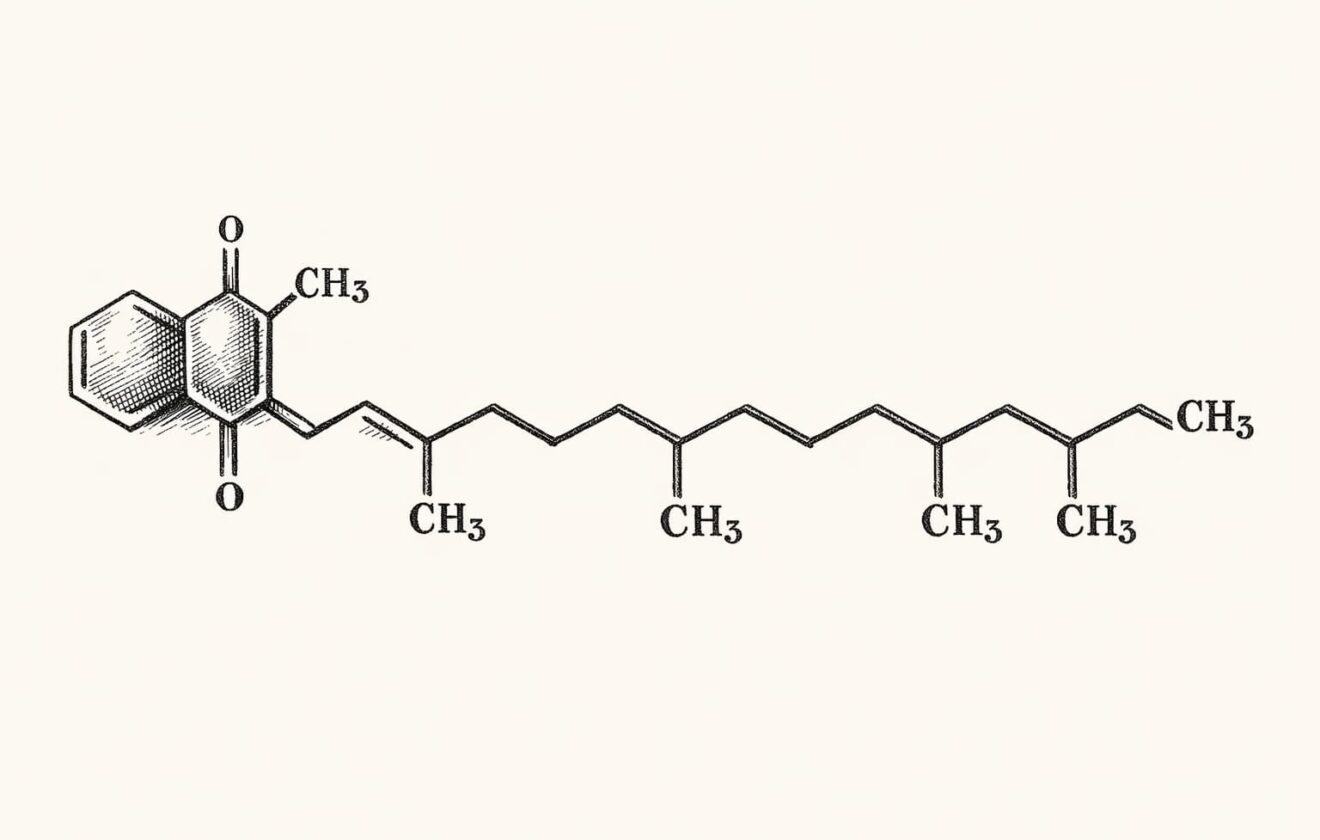
  • Chemical Structure: 2-methyl-3-phytyl-1,4-naphthoquinone
  • Molecular Formula: C₃₁H₄₆O₂
  • Molecular Weight: 450.70 g/mol
  • Properties: Clear yellow to amber viscous liquid, odorless, insoluble in water, soluble in chloroform, slightly soluble in ethanol, oxygen sensitive, rapidly degraded by light

⚠ Preservative (Multidose Formulations)#

  • Benzyl Alcohol: 9 mg/mL (0.9%) in AquaMEPHYTON and Vitamin K1 Injection multidose vials
  • NEUROTOXIC PRESERVATIVE: Associated with fatal “gasping syndrome” in neonates and infants – CNS depression, metabolic acidosis, seizures, intracranial hemorrhage, cardiovascular collapse, death
  • FDA Warning: Serious adverse events and death in premature neonates and low birth weight infants. Benzyl alcohol dosages of 99-234 mg/kg/day produced toxic blood levels
  • Premature infants cannot metabolize benzyl alcohol effectively due to immature hepatic and renal systems
  • NOT present in single-dose prefilled syringes (preservative-free formulations available but not universally used)

Excipients (Inactive Ingredients)#

  • Polyoxyethylated Fatty Acid Derivative: 70 mg/mL (emulsifying agent, creates aqueous dispersion of fat-soluble vitamin K. Can cause histamine release and allergic reactions.)
  • Dextrose (Hydrous): 37.5 mg/mL (tonicity agent, carbohydrate source)
  • Water for Injection: q.s. to 1 mL (sterile vehicle)
  • Hydrochloric Acid: May be added for pH adjustment (creates acidic pH)
  • pH: 5.0-7.0 (AquaMEPHYTON), 6.3 (5.0-7.0) (Vitamin K1 Injection Pfizer)

⚠ Aluminum Content (Some Formulations)#

  • Aluminum: May be present depending on manufacturing process and glass ampul leaching
  • FDA WARNING ON LABEL: “This product contains aluminum that may be toxic. Aluminum may reach toxic levels with prolonged parenteral administration if kidney function is impaired.”
  • Premature neonates are particularly at risk because their kidneys are immature, and they require large amounts of calcium and phosphate solutions, which contain aluminum.”
  • “Aluminum accumulation at >4-5 mcg/kg/day causes CNS and bone toxicity. Tissue loading may occur at even lower rates of administration.”
  • Aluminum accumulates in brain, bone, and kidney tissue. Neurotoxic and causes skeletal abnormalities in developing infants.

Formulation Types and Availability#

  • AquaMEPHYTON (Merck):
    • 1 mg/0.5 mL single-dose ampuls (5 ampuls per box)
    • 10 mg/1 mL single-dose ampuls (5 ampuls per box)
    • Contains benzyl alcohol 0.9% (9 mg/mL)
  • Vitamin K1 Injection (Pfizer/Hospira):
    • 10 mg/mL single-dose ampuls
    • Contains benzyl alcohol 9 mg/mL (0.9%)
  • Preservative-Free Formulations: Some manufacturers produce benzyl alcohol-free single-dose preparations, but these are not universally available or used

Critical Storage and Handling Requirements#

  • ⚠ PROTECT FROM LIGHT AT ALL TIMES: Vitamin K1 is rapidly degraded by light. Store in closed original carton until use.
  • Storage Temperature: 20°C to 25°C (68°F to 77°F), USP Controlled Room Temperature
  • Oxygen Sensitive: Minimize air exposure
  • If Diluted: Administer immediately after dilution. Discard unused portions of diluted solution and unused ampul contents
  • Visual Inspection: Inspect for particulate matter and discoloration before administration (should be clear yellow to amber)
Sources: AquaMEPHYTON Package Insert (Merck & Co., Inc., issued February 2002, LPDPRV062019); Vitamin K1 Injection Package Insert (Pfizer/Hospira, revised October 2025, LAB-1142-4.0); FDA product labeling database.

⚠ CRITICAL SAFETY NOTE: The presence of benzyl alcohol preservative (9 mg/mL) in standard newborn vitamin K formulations is particularly concerning given that these injections are administered to neonates within hours of birth. A 0.5 mg dose (standard prophylaxis) delivered in 0.5 mL volume contains 4.5 mg of benzyl alcohol. A 1 mg dose in 1 mL contains 9 mg benzyl alcohol. In a 3 kg newborn, this represents 1.5-3 mg/kg of benzyl alcohol in a single injection given to an infant with completely immature hepatic glucuronidation and renal excretion systems. The FDA explicitly warns that “serious and fatal adverse reactions including gasping syndrome can occur in neonates” with benzyl alcohol-preserved drugs, yet this preservative remains in routine newborn vitamin K formulations. Benzyl alcohol-free formulations exist but are not mandated or universally used. Parents are rarely informed of the preservative content or associated risks when consenting to newborn vitamin K injection.

1

Drug Information: RECOMBIVAX HB Recombinant Hepatitis B Vaccine RECOMBIVAX HB# Generic Name: Hepatitis B Vaccine (Recombinant) Class: Hepatitis B Vaccine (Recombinant Subunit Vaccine) Route: Intramuscular...

3

Drug Information: Atorvastatin | Lipitor – Statin HMG-CoA Reductase Inhibitor / Statin ATORVASTATIN# Brand Name: LIPITOR® (Pfizer) Generic Name: Atorvastatin Calcium Class: HMG-CoA Reductase Inhibitor...

5

Drug Information: Zestril | Lisinpril – Ace Inhibitor for Hypertension ACE Inhibitor / Antihypertensive Agent LISINOPRIL# Brand Name: ZESTRIL® (AstraZeneca), Prinivil® (Merck) Generic Name: Lisinopril...

7

You can view drug details for the Vitamin K1 Injection here Proponents of the Vitamin K shot emphasize that delayed cord clamping does not significantly...

Herbs are for our healing

God’s healing power runs all through nature. If a tree is cut, if a human being is wounded or breaks a bone, nature begins at once to repair the injury. Even before the need exists, the healing agencies are in readiness; and as soon as a part is wounded, every energy is bent to the work of restoration.